

One-Day Asthi Visarjan Arrangements: Is It Possible? , Asthi Visarjan, the Hindu ritual of immersing cremated remains (ashes) in sacred waters, represents a profoundly important final rite in the journey of the departed soul. For families living far from sacred rivers—whether in distant Indian cities or abroad—the question of whether this sacred ceremony can be completed in a single day becomes both practical and emotionally significant. The tension between spiritual duty, logistical constraints, and the emotional weight of this final ritual creates genuine anxiety for families seeking to honor their loved ones appropriately.
One-Day Asthi Visarjan Arrangements: Is It Possible? , This comprehensive guide examines the feasibility, logistics, considerations, and methods for conducting one-day Asthi Visarjan at major sacred sites, helping families make informed decisions about this important ritual while understanding both the possibilities and limitations of compressed timelines.
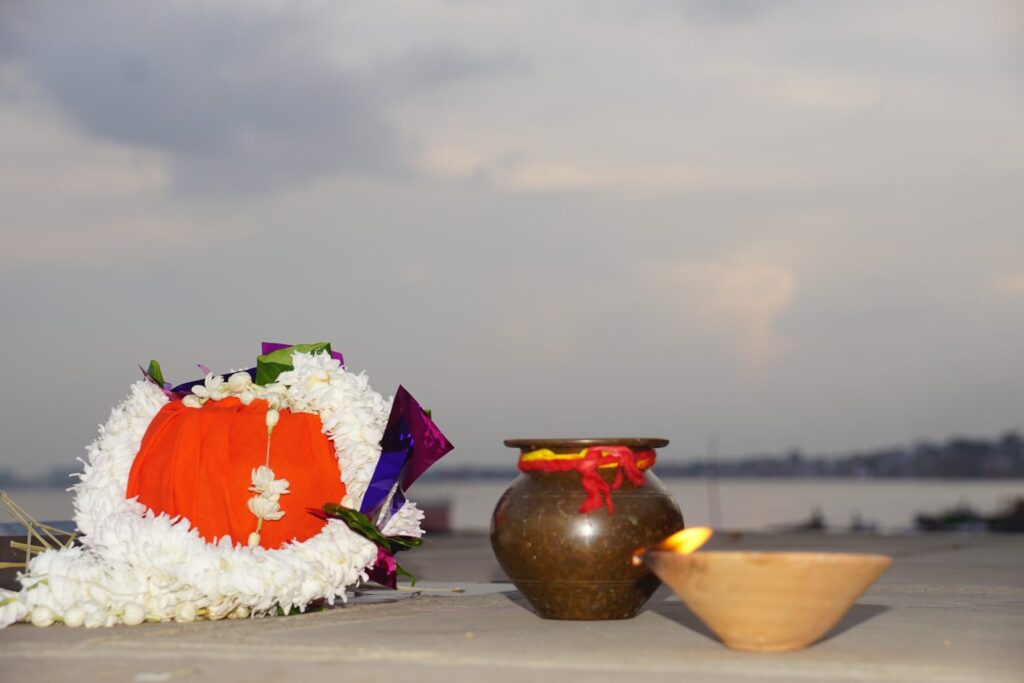
Understanding Asthi Visarjan and Its Significance
One-Day Asthi Visarjan Arrangements: Is It Possible? ,Before exploring logistics, understanding the spiritual and cultural context of Asthi Visarjan illuminates why families prioritize this ritual despite practical challenges.
The Spiritual Purpose
In Hindu belief, Asthi Visarjan serves multiple spiritual purposes. The immersion of cremated remains in sacred waters, particularly in the holy Ganges or at the confluence points like Triveni Sangam in Prayagraj, is believed to help liberate the soul (moksha) from the cycle of rebirth, purify any remaining karmic bonds, provide peace to the departed soul, and complete the final earthly obligations of the living toward the deceased.
One-Day Asthi Visarjan Arrangements: Is It Possible? , The ritual is not merely symbolic disposal but a sacred act with profound spiritual significance. The choice of water body matters—while any flowing water can technically receive ashes, immersion in particularly sacred rivers like the Ganges, Yamuna, or at confluences like Prayagraj’s Triveni Sangam or Haridwar’s sacred ghats is considered especially auspicious and spiritually efficacious.
Traditional Timing and Customs
One-Day Asthi Visarjan Arrangements: Is It Possible? ,Hindu scriptures and traditions specify various timeframes for Asthi Visarjan. Ideally, immersion occurs within three to fourteen days after cremation, though the thirteenth day after death is considered particularly auspicious. For those unable to meet these traditional timeframes due to distance, travel logistics, or other constraints, later immersion remains spiritually valid and is widely practiced.
The ritual typically involves family members, particularly the eldest son or closest male relative performing the primary rites, recitation of specific mantras and prayers, offerings to the departed soul and ancestors, and presence of priests to conduct ceremonies according to proper scriptural protocols.
Modern Realities and Diaspora Challenges
Contemporary life presents challenges to traditional practices. Families scattered across the globe face distance from sacred rivers requiring international or long-distance domestic travel, time constraints from work and family obligations, financial considerations of organizing travel for multiple family members, and logistical complexities of transporting cremated remains, which require specific documentation and procedures.
These realities create genuine tension between spiritual ideals and practical constraints, leading many families to seek compressed arrangements that honor tradition while acknowledging modern limitations.
Is One-Day Asthi Visarjan Practically Feasible?
The direct answer is yes—one-day Asthi Visarjan is practically feasible and commonly performed, though success depends on careful planning, realistic expectations, and understanding what “one-day” means in this context.
Defining “One-Day” Arrangements
Clarity about what constitutes “one-day” arrangements is crucial. The term typically means completing the ritual immersion and essential ceremonies within a single calendar day at the sacred site, not necessarily completing the entire journey—travel to the site, ritual performance, and return home—within 24 hours.
Most practical one-day arrangements involve traveling to the destination city the evening before or very early morning of the ritual day, performing Asthi Visarjan and associated ceremonies during daylight hours, and returning that evening or the following morning. This structure provides adequate time for proper ritual performance without the stress of same-day arrival and departure.
True same-day arrangements—arriving, performing rituals, and departing within hours—are technically possible but generally inadvisable as they create unnecessary stress during an emotionally difficult time, risk delays causing missed flights or trains, provide insufficient time for proper ceremony and prayer, and eliminate flexibility if unexpected complications arise.
Core Requirements for Feasibility
One-day arrangements become feasible when several factors align. Geographic access matters—proximity to airports or railway stations near sacred sites (Varanasi, Prayagraj, Haridwar all have good connectivity), availability of early morning and late evening transport options, and relatively short travel times from your origin city.
Pre-arranged logistics are essential, including confirmed priest and boat arrangements before arrival, hotel accommodation for the night before if arriving the previous evening, ground transportation coordinated in advance, and all necessary permissions and documentation prepared beforehand.
Family coordination requires that participating family members can synchronize schedules, the number of participants is manageable for coordinated movement, and roles and responsibilities are clearly defined to avoid confusion during emotional moments.
Emotional preparedness is critical—families must have realistic expectations about time constraints and ceremony scope, emotional readiness to perform this final ritual in a compressed timeframe, and acceptance that extended prayer time or multiple site visits may not be possible.
Logistics of One-Day Asthi Visarjan at Major Sites
Different sacred sites present varying logistical considerations for one-day arrangements.
Varanasi
Varanasi, among the holiest cities for Hindu death rituals, offers excellent infrastructure for one-day Asthi Visarjan. The city has an international airport with connections to major Indian cities and some international destinations, and a major railway station well-connected across India.
The typical one-day timeline involves arriving in Varanasi the previous evening by flight or overnight train, checking into a hotel near the ghats (Assi Ghat or near Dashashwamedh Ghat areas offer proximity), and resting before the ritual day. The following morning, families depart for the ghats by 6:00-7:00 AM when the river is peaceful and spiritually potent, meet the pre-arranged priest and boatman at the designated ghat, take a boat to the appropriate location on the Ganges (usually mid-river for Asthi Visarjan), and perform the ritual immersion with prayers and mantras (typically 1-2 hours).
Following the immersion, families may perform additional prayers at Kashi Vishwanath Temple or other significant sites if time permits (1-2 hours), have lunch and rest briefly at the hotel, and depart for the airport or railway station for evening travel, arriving home late night or the following morning depending on connection availability.
The advantages of Varanasi include excellent spiritual significance as one of the holiest sites, good transportation connectivity, experienced priests and service providers familiar with one-day arrangements, and flexibility to extend if desired as the city offers numerous sacred sites worth visiting.
Prayagraj (Allahabad)
Prayagraj, home to the Triveni Sangam where three holy rivers meet, holds special significance for Asthi Visarjan. The city has an airport with connections to major cities (though fewer flights than Varanasi) and a major railway junction with excellent train connectivity.
The one-day timeline is similar to Varanasi: arrive the evening before, coordinate with priests and boatmen for early morning (5:00-6:00 AM is ideal for peaceful conditions), take a boat to the Sangam confluence, perform the immersion ritual (1-2 hours), visit nearby temples or Allahabad Fort if time permits, and depart by afternoon or evening trains/flights.
Prayagraj offers the unique spiritual significance of immersion at the confluence of three rivers, generally less crowded than Varanasi outside of mela periods (during Kumbh Mela, one-day arrangements become extremely challenging), and good connectivity via train to most Indian cities. However, it has more limited flight options than Varanasi.
Haridwar
Haridwar, where the Ganges emerges from the Himalayas onto the plains, is another popular site. It has an airport (Jolly Grant Airport in nearby Dehradun, approximately 35 km away) and a railway station with good connectivity, though reaching the airport requires additional travel time.
One-day arrangements follow similar patterns: arrive the evening before, perform early morning immersion at designated ghats (Har Ki Pauri is most sacred), participate in the evening Ganga Aarti if time allows (highly recommended spiritual experience), and depart late evening or next morning.
Haridwar offers cooler climate than Varanasi or Prayagraj, particularly in summer, the spectacular setting where the Ganges emerges from mountains, the famous evening Ganga Aarti providing additional spiritual experience, and proximity to Rishikesh for those wanting to extend their visit.
Other Sacred Sites
Other options include Ganga Sagar (where Ganges meets the Bay of Bengal)—spiritually significant but logistically challenging, requiring travel to Kolkata then onward to the islands, generally unsuitable for true one-day arrangements. Nasik (on Godavari River) offers reasonable connectivity and moderate spiritual significance. Ujjain (on Shipra River) provides good railway connectivity and historical spiritual importance. Each alternative site has different logistics and spiritual significance worth researching based on family traditions and preferences.
Essential Preparations for One-Day Arrangements
Successful one-day Asthi Visarjan requires meticulous advance preparation across multiple dimensions.
Documentation and Legal Requirements
Transporting cremated remains requires specific documentation. For domestic travel within India, you’ll need a death certificate, cremation certificate from the crematorium, a certificate of cremated remains (often issued by crematorium or local municipal authority), and a letter from a religious authority or family member stating the purpose of transport.
For international transport (from countries outside India), requirements include all of the above, consular authentication or apostille of documents depending on country, customs declaration forms, and potentially import permits. Requirements vary by country of origin and destination; consult the Indian embassy or consulate in your country of residence for specific requirements.
Airlines have specific policies about transporting cremated remains. Most allow them in carry-on or checked luggage if properly packaged and documented. Use appropriate containers—typically sealed urns, and carry all documentation to present if questioned. Confirm your specific airline’s policy before booking.
Engaging Priests and Service Providers
Pre-arranging priests and service providers eliminates stressful on-the-spot negotiations during an emotional time. Research and contact reputable service providers 1-2 weeks before travel. Many hotels near ghats have relationships with trusted priests and can arrange services. Online platforms now connect families with verified priests for such ceremonies, or you can contact local temples for recommendations.
Clearly communicate your requirements including the date and time of ceremony, number of family members participating, specific rituals or prayers you want included, language preferences for priest (English, Hindi, regional language), and your budget. Agree on pricing beforehand to avoid disputes. Standard Asthi Visarjan ceremonies at major sites typically cost ₹2,000-10,000 ($25-120) depending on elaborateness, priest experience, and included offerings.
Travel and Accommodation Booking
Book flights or train tickets as early as possible for better prices and preferred timing. For one-day arrangements, prioritize early morning departures to maximize time at the destination and late evening returns to avoid rushed ceremonies.
Choose accommodation strategically near the ghat where you’ll perform the ceremony to minimize morning travel time. Hotels in Varanasi near Assi Ghat or Dashashwamedh Ghat, Prayagraj near Civil Lines or close to the Sangam, or Haridwar near Har Ki Pauri provide optimal proximity. Book at least 1-2 weeks in advance, especially during peak pilgrimage seasons.
Arrange ground transportation in advance. Many hotels provide pickup services from airports/railway stations, or book reputable taxi services beforehand to avoid arrival chaos.
Preparing the Cremated Remains
Cremated remains should be properly contained for transport and ritual. Use a sealed urn or container that won’t leak or open accidentally, appropriate for both transport and immersion (some families use biodegradable containers specifically designed for water immersion). Ensure the container is of manageable size and weight for carrying to the ritual site.
Some families divide cremated remains, immersing a portion at sacred waters while keeping a portion for family remembrance or later rituals. This is acceptable and increasingly common, particularly for diaspora families.
Family Coordination and Emotional Preparation
Coordinate with all participating family members about travel plans, meeting points and timing, roles during the ceremony (who will perform the immersion, who will recite prayers, etc.), and appropriate dress codes (traditional white or simple clothing is customary).
Prepare emotionally for this final farewell. The ritual is often deeply emotional, and the compressed timeline of one-day arrangements can intensify feelings. Allow yourself permission to grieve and take time for reflection even within the structured schedule. Consider having close family or friends present for emotional support.
The Ritual Process: What to Expect
Understanding what actually happens during Asthi Visarjan helps families prepare mentally and emotionally.
The Ceremony Structure
The typical ceremony follows this general structure, though specific details vary based on regional traditions, family customs, and priest guidance.
The ritual begins with purification where family members perform Achamana (ritual purification sipping water) and Pranayama (breath control), establishing the sacred space through prayers. Sankalpa follows, a formal declaration of intent where the eldest son or primary family member states the deceased’s name, lineage, date of death, and intention to perform Asthi Visarjan for the soul’s liberation, typically stated in Sanskrit guided by the priest.
The core immersion ritual involves the priest reciting specific mantras from scriptures (often from the Garuda Purana or other texts dealing with death rites), family members offering prayers and paying respects, the primary family member (usually eldest son or closest relative) gradually releasing the cremated remains into the sacred water while reciting mantras, and sometimes placing flowers, sacred offerings, or other traditional items in the water.
After the immersion, there is Tarpan, offering water to ancestors and the departed soul, Brahman Bhojan or Dana (charity in the deceased’s name, often feeding priests or poor), and Pind Daan (offering of rice balls, sometimes performed depending on timing and family tradition).
The ceremony concludes with final prayers for the soul’s peace, taking sacred water (Gangajal) home for later rituals, and receiving blessings from the priest.
The entire ceremony typically takes 1-2 hours depending on elaborateness and family participation.
Emotional and Spiritual Dimensions
Asthi Visarjan is profoundly emotional, representing the final physical goodbye to the departed. The moment of releasing ashes into flowing sacred water often brings intense grief, catharsis, and emotional release. Families report feeling a sense of completion and peace, knowing they’ve fulfilled their final duty.
The sacred environment amplifies emotions. The holiness of the Ganges or Sangam, other pilgrims performing similar rituals nearby, priests chanting ancient mantras, and the symbolism of flowing water carrying your loved one toward liberation combine to create powerful spiritual experiences.
Allow time for tears, reflection, and personal prayer beyond the formal ritual. The priest and boatman will respect these moments. Some families sit quietly on the boat for extended periods after the formal ceremony concludes, processing emotions before returning to shore.
Challenges and Limitations of One-Day Arrangements
While feasible, one-day arrangements come with inherent limitations families should understand and accept.
Time Constraints and Rushed Feelings
The compressed timeline inevitably creates some rushed feelings. There’s limited time for extended prayer or meditation at multiple sacred sites, little flexibility if delays occur, and pressure to adhere to departure schedules. The emotional processing that naturally requires time may feel compressed, potentially leaving some family members feeling they couldn’t fully engage with the ritual.
Limited Family Participation
One-day arrangements often mean that not all extended family members can participate. International family may not be able to coordinate travel for such a brief trip, elderly family members may find rushed travel too taxing, and work and school obligations may prevent broader family participation.
Some families address this by live-streaming the ceremony for distant relatives (with priest approval), performing preliminary prayers with full family before the travel group departs, or planning a separate memorial gathering that all family can attend.
Weather and Seasonal Considerations
One-day arrangements provide no flexibility for weather. If you encounter heavy rain during monsoon, extreme heat in summer, or dense fog in winter causing flight delays, the ritual must proceed regardless or face complete rescheduling challenges. Being prepared with contingency plans and acceptance of conditions beyond control is essential.
Potential for Logistical Complications
Compressed timelines leave minimal buffer for complications like flight delays or cancellations, priest or boatman no-shows (emphasizing importance of reputable pre-arrangements), unexpected ghat closures or restrictions, or medical emergencies or sudden illness. While rare, these possibilities exist and families should have contingency plans and contact information for local assistance.
Multi-Day Alternatives: When Extended Time Is Feasible
If family circumstances allow 2-3 days rather than strictly one day, the experience significantly improves.
Two-Day Arrangements
Two-day arrangements provide substantial benefits with modest additional time investment. A typical structure involves arrival on Day 1 afternoon/evening, settling into accommodation, visiting local temples for preliminary prayers, and resting. Day 2 features the early morning Asthi Visarjan ceremony with adequate time and no rushing, visits to additional sacred sites afterward, participation in evening Ganga Aarti ceremonies, and departure that evening or morning of Day 3.
This approach eliminates rushed feelings and allows fuller emotional processing, provides time for multiple sacred site visits enhancing spiritual fulfillment, offers flexibility if minor delays occur, and allows participation in evening Aarti ceremonies which are profoundly beautiful.
Three-Day Arrangements
Three days allow comprehensive experience: arrival and orientation on Day 1, the main Asthi Visarjan ceremony on Day 2 morning, additional rituals or site visits without pressure, and departure on Day 3 after morning prayers or temple visits.
This creates a more pilgrimage-like experience rather than purely logistical exercise, allows extended family members to participate more comfortably, provides time for emotional processing in the sacred environment, and enables visiting multiple significant sites if desired.
Special Considerations for International Families
Families traveling from outside India face additional considerations.
Documentation for International Transport
International transport of cremated remains requires careful documentation including death certificate, cremation certificate, certificate of cremated remains, consular authentication of documents (apostille or embassy attestation), Indian customs declaration, and potentially an import permit. Requirements vary by country—consult the Indian embassy in your country of residence well in advance.
Most countries and airlines allow cremated remains in carry-on luggage with proper documentation. Use appropriate sealed containers and carry all documents for immigration and customs inspection.
Visa and Travel Arrangements
Ensure valid Indian visas for all traveling family members. Some countries’ nationals can obtain e-visas, while others require traditional visa applications. Apply well in advance to avoid delays. Entry requirements may have changed since your last visit—verify current requirements.
Time Zone and Jet Lag Considerations
International travelers face jet lag challenges. Arriving at least one full day before the ritual (2-3 days if possible) allows adjustment to time zone, reduces exhaustion during the emotional ceremony, and prevents jet lag from diminishing the experience.
Currency and Financial Arrangements
Ensure access to Indian rupees for local payments to priests, boatmen, and offerings. While major cities have ATMs and some places accept cards, having cash is essential. Many religious service providers operate primarily in cash.
Cost Considerations for One-Day Arrangements
Understanding realistic costs helps with budgeting and planning.
Typical Expense Breakdown
For domestic travelers within India, expect these approximate costs (varying by city and season):
Transportation costs include round-trip flights (₹5,000-15,000 or $60-180 per person depending on origin city and booking timing) or train tickets (₹500-3,000 or $6-35 per person depending on class). Local transportation (airport/station transfers, local travel) costs ₹500-1,500 ($6-18).
Accommodation for one night ranges from ₹1,500-5,000 ($18-60) depending on hotel quality. The ritual and ceremony costs for priest services run ₹2,000-5,000 ($25-60), boat hire costs ₹500-1,500 ($6-18), offerings and donations run ₹500-2,000 ($6-25), and Brahman Bhojan or charity ₹1,000-3,000 ($12-35).
Meals and incidentals cost approximately ₹1,000-2,000 ($12-25) per person, and contingency funds for unexpected expenses run ₹2,000-5,000 ($25-60).
Total estimated cost per person: approximately ₹15,000-35,000 ($180-420) for domestic travelers. International travelers face additional flight costs varying widely based on origin country.
Ways to Manage Costs
Some strategies for cost management include booking flights and trains well in advance for better prices, traveling during off-season or mid-week when rates are lower, choosing budget accommodation near ghats providing adequate comfort without luxury pricing, negotiating package deals with service providers who offer combined priest-boat-offerings arrangements, and traveling as a smaller group (2-4 key family members) rather than large extended family to reduce per-person logistics costs.
However, this is not an occasion to cut corners on essential elements. The ritual ceremony itself should be performed properly with appropriate offerings and priest services. Budget accommodations are fine, but ensure adequate rest and comfort for emotional wellbeing during this difficult time.
Making the Decision: Is One-Day Right for Your Family?
Determining whether one-day arrangements suit your family requires honest assessment across several dimensions.
When One-Day Arrangements Work Well
One-day arrangements are appropriate when family members have severe time constraints preventing longer absence, the origin city has good connectivity to sacred sites with convenient flight/train timings, only a small core family group is participating, family members are emotionally prepared for compressed timeline and accept the limitations, logistical arrangements can be thoroughly organized in advance, and family values fulfilling the ritual over extended spiritual experience.
When Extended Time Is Preferable
Consider 2-3 day arrangements if multiple extended family members want to participate, the deceased or family has strong connections to the destination and would benefit from deeper engagement, family members need emotional processing time in the sacred environment, there’s flexibility in schedules allowing slightly longer absence, or you want to combine Asthi Visarjan with broader pilgrimage experience visiting multiple sacred sites.
Alternative Approaches
Some families choose hybrid approaches such as a small group performing the primary ritual in a one-day arrangement while holding a memorial gathering for broader family locally, dividing cremated remains to immerse a portion immediately while saving a portion for later immersion when more family can participate, or performing the essential ritual quickly but planning a separate spiritual journey to the same sites later for extended family remembrance.
Conclusion
One-day Asthi Visarjan is not only possible but commonly practiced by countless families managing modern life’s constraints while honoring sacred traditions. Success requires meticulous advance planning, realistic expectations about time limitations, flexibility and acceptance of imperfection, emotional preparedness for this final farewell, and focus on spiritual meaning over logistical perfection.
The ritual’s spiritual efficacy derives not from the time spent but from the devotion, respect, and love with which it’s performed. A ceremony conducted in compressed time with sincere intention and proper protocols fulfills religious obligations and provides peace for both the departed soul and the living family.
Families should feel confident that one-day arrangements, when properly organized, constitute appropriate and respectful final rites. The sacred Ganges has received countless souls through such ceremonies over millennia, and the spiritual power of these holy waters transcends logistical timelines.
Whether you choose one-day arrangements or extended visits, what matters most is fulfilling this final duty with love, respect, and adherence to the spiritual principles underlying the ritual. The departed soul’s journey toward liberation depends on the sincerity of the prayers, the sanctity of the waters, and the devotion of the family—all of which are fully present regardless of whether the ceremony occurs within one day or extends over several.
For families facing the bittersweet duty of Asthi Visarjan, may this guide provide practical clarity alongside reassurance that honoring your loved one within your realistic constraints represents both spiritual validity and deep familial love.
Frequently Asked Questions
Q1: What is the minimum time needed at the destination to complete Asthi Visarjan properly?
The absolute minimum time needed at the destination for proper Asthi Visarjan is approximately 3-4 hours from arrival at the ghat to completion of the ceremony, though this provides no buffer for complications. A more comfortable and realistic minimum is 5-6 hours. The actual ceremony itself typically takes 1-2 hours including boat journey to the immersion site, purification rituals, Sankalpa (declaration of intent), the actual immersion with mantras, Tarpan (water offering to ancestors), and concluding prayers. Additional time is required for travel from accommodation to the ghat (30-60 minutes depending on location and traffic), priest and boatman meeting and coordination (15-30 minutes), post-ceremony activities like taking sacred water and final prayers (30 minutes), and return travel to accommodation or station/airport (30-60 minutes). This 3-4 hour minimum allows no margin for delays, limited time for personal prayer and reflection, minimal interaction with the priest beyond core ritual, and a potentially rushed, stressful experience during an emotional moment. Most experienced service providers and priests recommend allocating at least half a day (6-8 hours) from morning arrival through afternoon departure to allow for unhurried ceremony, time for emotional processing after the immersion, possible visits to nearby temples for additional prayers if desired, and buffer time for unexpected delays or complications. For the most meaningful experience without time pressure, consider arriving the evening before, performing the ceremony the next morning, and departing that evening or the following morning—this provides approximately 18-24 hours at the destination, allowing proper rest, an unhurried sacred experience, and time to absorb the spiritual significance of this final farewell.
Q2: Can Asthi Visarjan be performed during the monsoon season, and does weather affect the ritual?
Asthi Visarjan can be and is regularly performed during monsoon season (July-September), though weather conditions create additional challenges families should understand. The ritual itself remains spiritually valid regardless of weather—rain does not diminish religious efficacy or spiritual significance. However, practical challenges during monsoon include slippery, hazardous ghat steps made dangerous by algae growth on wet stone surfaces, potential flooding making some ghats partially or fully inaccessible, rough water conditions that may make boat travel uncomfortable or occasionally unsafe, limited visibility during heavy rain affecting the overall experience, and increased discomfort for family members, particularly elderly participants. If traveling during monsoon, take specific precautions including wearing appropriate footwear with excellent grip (avoid leather or smooth-soled shoes), bringing rain protection (umbrellas, raincoats) though you’ll still likely get wet, having extra clothes for changing after the ceremony, being mentally prepared for less-than-ideal conditions, building flexibility into your schedule in case weather requires delayed timing, and checking weather forecasts closely before travel to avoid arriving during the worst conditions. Some families intentionally avoid monsoon season when possible, scheduling Asthi Visarjan before monsoon begins or after it ends in October when weather stabilizes. However, traditional timing guidelines (often 10-14 days after death, or on the 13th day) sometimes necessitate monsoon ceremonies. If your predetermined date falls during monsoon, proceed with confidence that the ritual’s spiritual power transcends weather conditions—countless generations have performed these sacred rites during rain, and priests are experienced in conducting ceremonies in all weather conditions. The departed soul’s liberation depends on devotional intent and proper mantra recitation, not sunny skies.
Q3: What happens if we miss our transportation back after the ceremony, or if there are delays?
Transportation delays or missed connections, while stressful, are manageable with proper preparation and contingency planning. If you miss your booked return transportation, several options exist depending on your situation. For missed flights, contact the airline immediately—many offer same-day standby on later flights, sometimes with minimal or no change fees if the reason is reasonable and you notify them promptly. Consider booking flexible or partially refundable tickets when planning rituals with tight timelines, as the modest additional cost provides valuable insurance. For missed trains, Indian Railways often has multiple trains daily on major routes; you may be able to board a later train, sometimes with wait-listed or general tickets if reserved tickets aren’t available. If you must stay an additional night, hotels near major pilgrimage sites typically have availability even with short notice, and the cost (₹1,500-3,000 for basic accommodation) is manageable compared to the importance of the ritual. To minimize risk of missed connections, build substantial buffers into your schedule—at least 4-6 hours between ceremony completion and departure time. This accommodates unexpected delays without jeopardizing return travel. Keep your hotel room until after the ceremony completes rather than checking out before leaving for the ghat—this provides a place to refresh, store luggage, and regroup if timing runs late. Carry contact information for your hotel, local taxi services, and airline/railway helplines for quick assistance if needed. Have a backup credit card and emergency cash (₹5,000-10,000) for unexpected accommodation or rebooking costs. Most importantly, accept that this possibility exists and that an extra night at a sacred site while managing logistics is not a disaster—many families find unexpected extended time at sacred places becomes meaningful in retrospect. The spiritual importance of properly completing Asthi Visarjan far outweighs the inconvenience of adjusted return travel, and with modern communication technology, managing work or other obligations remotely for an extra day is usually feasible.
Q4: Can we perform Asthi Visarjan without a priest, or is priestly presence mandatory?
Priestly presence during Asthi Visarjan is not strictly mandatory from a religious-legal standpoint—the ritual’s essential element is immersing the cremated remains in sacred waters with devotional intent and appropriate prayers. Families can technically perform the ceremony independently if they know the appropriate mantras and procedures. However, engaging a qualified priest is very strongly recommended for several important reasons. Priests ensure religious correctness by knowing the precise mantras from scriptures appropriate for Asthi Visarjan, performing the ceremony according to proper Vedic protocols and traditional practices, conducting the Sankalpa (declaration of intent) correctly with proper lineage naming and Sanskrit formulations, and guiding the family through the complete ritual sequence so nothing essential is omitted. They provide spiritual guidance and context, explaining the significance of each step to family members who may not fully understand, offering prayers and blessings for both the departed soul and surviving family, creating the appropriate sacred atmosphere through their presence and knowledge, and lending legitimacy and authority to the ceremony that brings peace of mind to the family. There are practical benefits as priests coordinate with boatmen and handle logistics at ghats familiar to them, communicate in local languages if the family doesn’t speak Hindi, manage timing and flow of the ceremony so the family can focus on emotional participation, and bring necessary ritual items (flowers, offerings, sacred threads) that families might not know to bring. Finally, there are emotional and social dimensions—priestly presence honors traditional practice and family expectations, provides structure and guidance during an emotionally difficult moment when families may struggle to think clearly, and represents community acknowledgment of the death through an official religious representative. The cost of priest services (₹2,000-5,000 or $25-60 typically) is modest compared to the value provided. While families theoretically can perform rituals independently, the peace of mind from knowing the ceremony was performed correctly according to tradition, the spiritual expertise priests bring, and the practical guidance they provide during an emotional time make engaging a qualified priest effectively essential rather than optional.
Q5: If we divide the cremated remains, is it acceptable to immerse portions at different times or places?
Yes, dividing cremated remains and immersing portions at different times, places, or by different family members is entirely acceptable and increasingly common practice, particularly for families spread across geographical distances. Hindu scripture does not mandate that all cremated remains must be immersed simultaneously in a single location. The practice of dividing ashes serves various legitimate purposes including allowing family members in different locations to participate in immersion rituals when they cannot coordinate travel simultaneously, immersing a portion at particularly sacred sites (like Triveni Sangam or Varanasi) while saving a portion for local immersion in a nearby river for elderly family who cannot travel far, keeping a small portion for memorial purposes while immersing the majority according to tradition, or conducting the main ceremony shortly after death while saving a portion for later immersion during particularly auspicious occasions or locations. When dividing remains, follow these guidelines: use clean, appropriate containers for each portion kept separate, perform proper ceremonies with mantras for each immersion, even if conducted at different times or places, maintain respect and reverence for all portions—these are not mere ashes but sacred remains of your loved one, coordinate with family to ensure all portions are eventually immersed in flowing water (keeping them indefinitely is not traditional practice), and consider performing a brief ceremony or prayer when initially dividing the remains, acknowledging the intention to immerse at multiple locations or times. Many priests will guide this practice if you explain your family’s situation—they understand modern realities and diaspora challenges. Some families use this approach creatively, such as having elderly parents who cannot travel perform immersion in a nearby river with proper ceremony and priest guidance, while younger family members travel to especially sacred sites like Varanasi or Prayagraj to immerse a portion with full traditional ceremony. Both ceremonies honor the departed soul, and the spiritual benefit accrues from the combined devotional efforts. The key is maintaining proper reverence and ensuring that all ceremonies are conducted with appropriate prayers, intentions, and ultimately all portions are returned to flowing sacred waters as tradition requires.





Comments are closed.